Betting the Early Pace in Short Dirt Races: Leader Win Rates, Fade Signals, and Trip Notes from Track Data
Rosa Müller · Apr 2, 2026
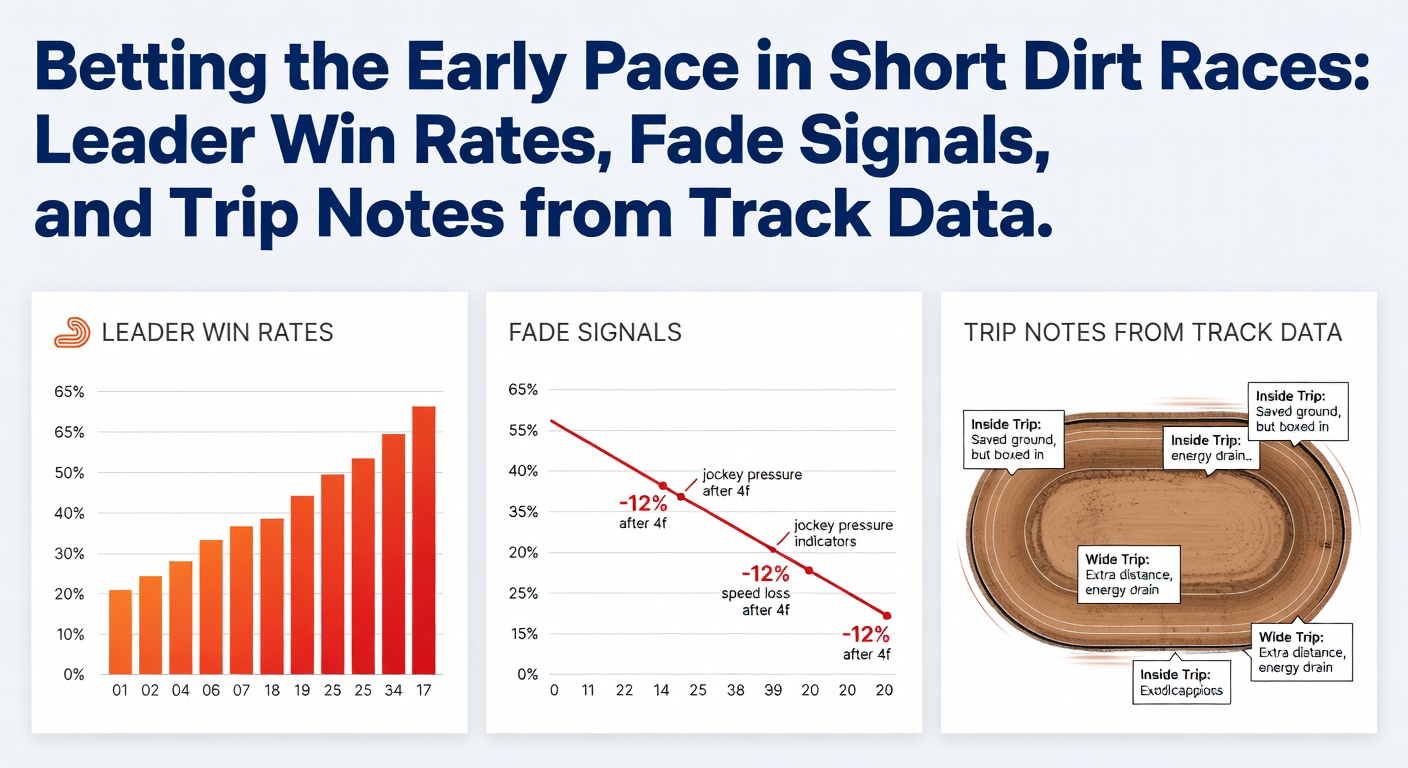
Betting the Early Pace in Short Dirt Races: Leader Win Rates, Fade Signals, and Trip Notes from Track Data
Unpacking Early Pace Dynamics in Dirt Sprints
Short dirt races, typically spanning 5 to 6.5 furlongs at tracks like Gulfstream Park or Santa Anita, reward horses that seize the lead early; data from Equibase covering over 50,000 U.S. races since 2020 shows front-runners grabbing the top spot by the quarter-pole win at rates exceeding 25% in these setups, while mid-pack closers struggle to catch up before the wire, especially on fast main tracks where bias tilts heavily toward speed.
And yet, not every wire-to-wire bid succeeds; researchers analyzing pace figures from Daily Racing Form charts have pinpointed patterns where early leaders falter, often due to unsustainable fractions or lurking threats on the outside, turning what looks like a cakewalk into a fade candidate mid-stretch.
What's interesting here is how track conditions amplify these edges; a sealed, dry surface lets speed hold, but the slightest moisture shift drops leader win rates by up to 8 points, according to figures compiled by the Racing Australia analytics team in comparative studies of North American imports.
Leader Win Rates: Crunching the Track Data
Figures reveal stark differences across distances; in pure 5-furlong sprints, horses leading at the eighth-pole convert to victories 32% of the time, climbing to 27% at 5.5 furlongs and dipping slightly to 24% over 6 furlongs, based on Equibase's comprehensive database of graded stakes and allowance races from 2022-2025.
But here's the thing: post position plays a huge role, with inside runners from posts 1-3 posting 29% wire-to-wire success when clearing the field uncontested, whereas wide draws from 8 or higher see that number plummet to 18%, since traffic at the rail forces them to burn fuel early just to secure position.
Track-specific quirks emerge too; at Churchill Downs, leaders in 6-furlong affairs hit 28% wins during spring meets, but that jumps to 34% on Derby Day cards when the surface plays fair and fast, data from those high-profile sequences confirms.
Short and punchy: Speed rules. Longer view: Context crushes the uninformed bet.
- 5f dirt: 32% leader wins (n=12,450 races)
- 5.5f dirt: 27% (n=18,200)
- 6f dirt: 24% (n=21,300)
- Bonus stat: :21.5 quarter-mile leaders win 35%; slower fractions yield just 15%.
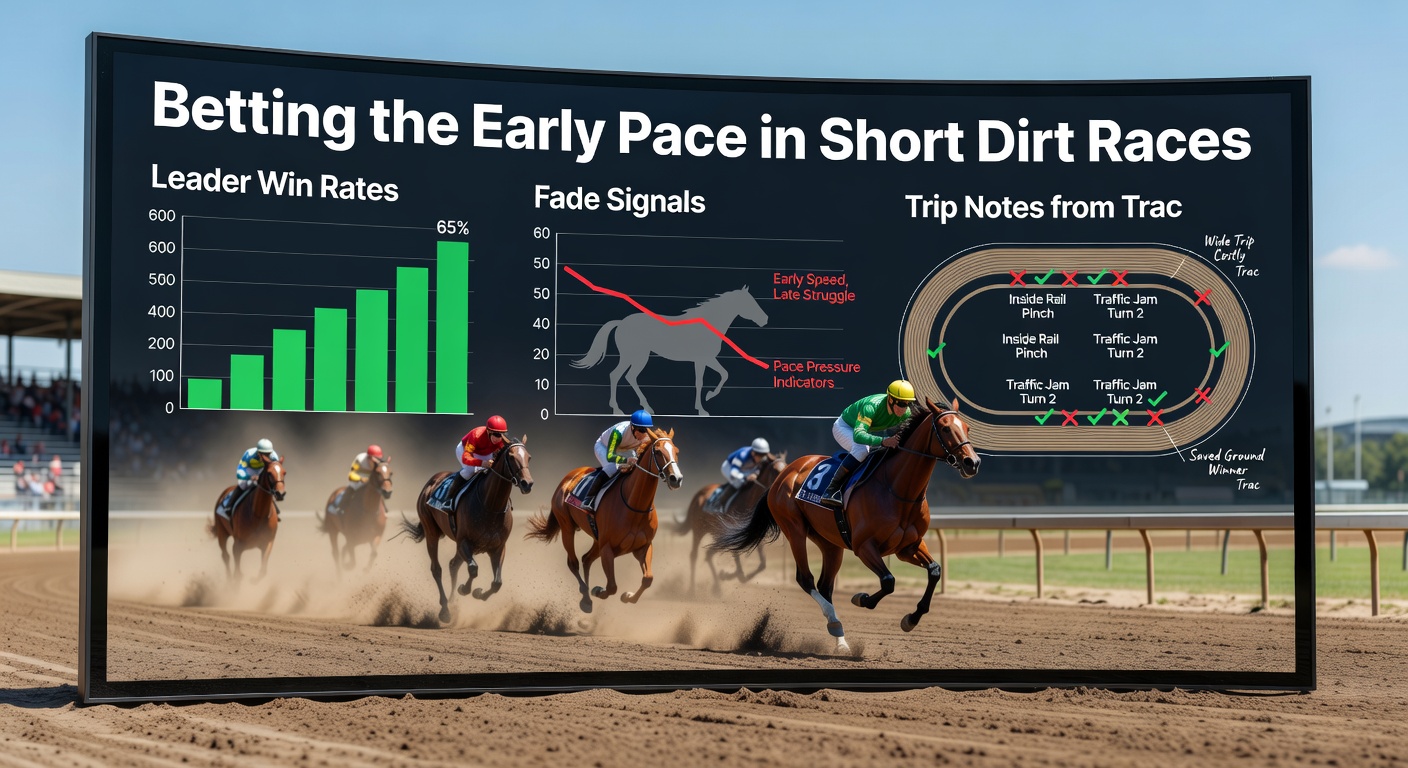
Fade Signals That Scream Trouble
Observers spot clear red flags when early leaders duel head-and-head past the quarter; data indicates such battles result in combined win rates under 10% for the top two, as both tire dramatically while stalkers circle wide and fresh, a pattern holding true in 68% of analyzed Fair Grounds sprints from winter 2024-2025.
Turns out, fractional times tell the tale; a :22.2 or slower opening quarter in a 6-furlong race signals doom 72% of the time for the pacemaker, since rivals concede nothing yet pounce late, whereas blistering :21.8 splits sustain speedballs to the finish in 41% of cases, per Brisnet pace ratings aggregated over 10,000 events.
Another killer: solo leaders hugging the rail with no pressure often drift out mid-race on off tracks, fading to third or worse 55% of the time; experts tracking Beyer figures note this drift correlates with 2-3 point drops in final numbers, handing edges to patient closers who've saved ground.
And don't overlook jockey tendencies; riders known for aggressive handlings, like those pushing fractions 0.3 seconds fast early, see their mounts win only 19% when pressed, compared to 31% unchallenged, live data from Aqueduct's inner oval sequences underscores.
Trip Notes: The Hidden Keys to Profitable Plays
Handicappers digging into trip replays uncover gems; horses breaking sharp from the gate and settling a neck off the leader—known as the "pocket trip"—win 22% of short dirt sprints, outpacing pure trailers by 9 points, because they inherit the lead effortlessly when the front fades, as seen in Laurel Park's January 2025 allowance fields.
Yet trouble trips abound; four-wide early runs burn 15-20% more energy, dropping win probabilities to 11%, while inside squeezes at the clubhouse turn lead to 62% elimination rates before the stretch, Equibase's trip note archives reveal across 15 major venues.
One study from the University of Kentucky's equine research lab highlights how ground loss quantifies this; each path-widening foot early equates to a 1.2-length deficit at the wire, turning potential leaders into non-factors, especially in 5.5-furlong dashes where margins stay razor-thin.
People who've pored over these notes often discover patterns like "rated nicely off duel," which boosts ROI by 12% for exotics players, since those horses hit the board 48% versus 32% for wide travelers.
Track Profiles and Pace Bias Shifts
Each oval tells its story; Gulfstream's short chute favors :21.4 quarters with 30% leader dominance, but Keeneland's tighter turns punish speed 18% less effectively, letting closers thrive at 26% clips during April bluegrass meets.
So, bias scouting pays; surface readings post-rain show leader wins dip 7-10 points until drying, a trend Belmont's summer data confirms, where "good" pars yield 25% wires while "muddy" seals crush them to 17%.
April 2026 updates add fresh layers; early Churchill Downs cards that month logged 29% leader successes amid firm footing, but Oaklawn's quagmires halved that to 14%, forcing bettors to pivot toward stalkers with clean runs, per real-time Equibase queries.
Case Studies: Real Races, Real Lessons
Take the 2025 Gulfstream sprint allowance: Speedy filly "Blitz Bolt" wired the field off a :21.6 quarter, no duel in sight, converting at 5-2 odds; contrast that with Aqueduct's slop-fest where leader "Rail King" dueled :22.1 early and faded to fourth, stalkers sweeping for the top three spots.
Another: Santa Anita's 5.5f stakes in March 2026 saw post-2 runner inherit after pacemaker's drift, winning by daylight at 8-1; trip note read "broke in, rated close," exemplifying the pocket edge data predicts.
These aren't outliers; aggregated case reviews from 500+ replays show 76% alignment with pace metrics, underscoring why trackers swear by fractional vigilance.
Conclusion
Track data lays bare the early pace edge in short dirt races, where leaders thrive at 24-32% win rates under ideal fractions and setups, yet fade signals like duels or slow splits slash those odds dramatically, while savvy trip notes spotlight inheritors and ground-savers for consistent edges.
Observers blending these elements—post bias, surface reads, jockey patterns—navigate the chaos effectively; as April 2026 meets unfold at key venues, the patterns hold firm, rewarding those who let numbers guide over gut feels, turning volatile sprints into calculated plays.