Examining Loyalty Tier Progressions and Reward Redemption Rates Across Integrated Resort Casino Networks in Asia
Sage Lang · Aug 19, 2026

Examining Loyalty Tier Progressions and Reward Redemption Rates Across Integrated Resort Casino Networks in Asia
Integrated resort networks across Asia operate extensive loyalty programs that track player activity through tiered structures, and data collected through 2026 shows clear patterns in how guests advance between levels while converting accumulated points into redemptions. Major operators including those in Macau, Singapore, and the Philippines maintain multi-tier systems where entry-level status requires minimal play yet higher tiers demand substantial accumulated spend or visits, with progression metrics often reset annually or on rolling windows.
Tier Structures Across Major Networks
Resorts World Sentosa in Singapore runs a five-tier model that begins at Classic and advances through Silver, Gold, Platinum, and Diamond, where each step multiplies earning rates on slots and table games while unlocking complimentary room nights and priority access. In Macau the Sands China program uses Pearl, Ruby, Sapphire, and Diamond tiers, and observers note that Diamond status typically requires documented play exceeding several hundred thousand dollars in theoretical win per year. Similar ladders appear at Wynn Palace and MGM China properties, although exact thresholds shift based on regional competition and regulatory caps on promotional spend.
Philippine operators such as those at Okada Manila and City of Dreams Manila follow comparable progressions yet tie advancement more closely to total coin-in volume rather than theoretical win, which creates different redemption velocity for high-volume low-stakes players. Data compiled by regional gaming associations indicates that roughly 15 percent of active loyalty members reach the second tier within their first year of enrollment, while fewer than 3 percent attain the top tier across these networks.
Redemption Patterns and Conversion Metrics
Reward redemption rates vary significantly by tier and property type, with lower-tier members converting points primarily into food and beverage credits while higher-tier guests exchange larger balances for hotel stays, airfare vouchers, and exclusive event access. Figures from integrated resort operators reveal that average redemption rates hover between 65 and 78 percent of earned points across Asian networks through mid-2026, although Diamond and equivalent members redeem closer to 85 percent because they receive targeted offers that match their preferred experiences.
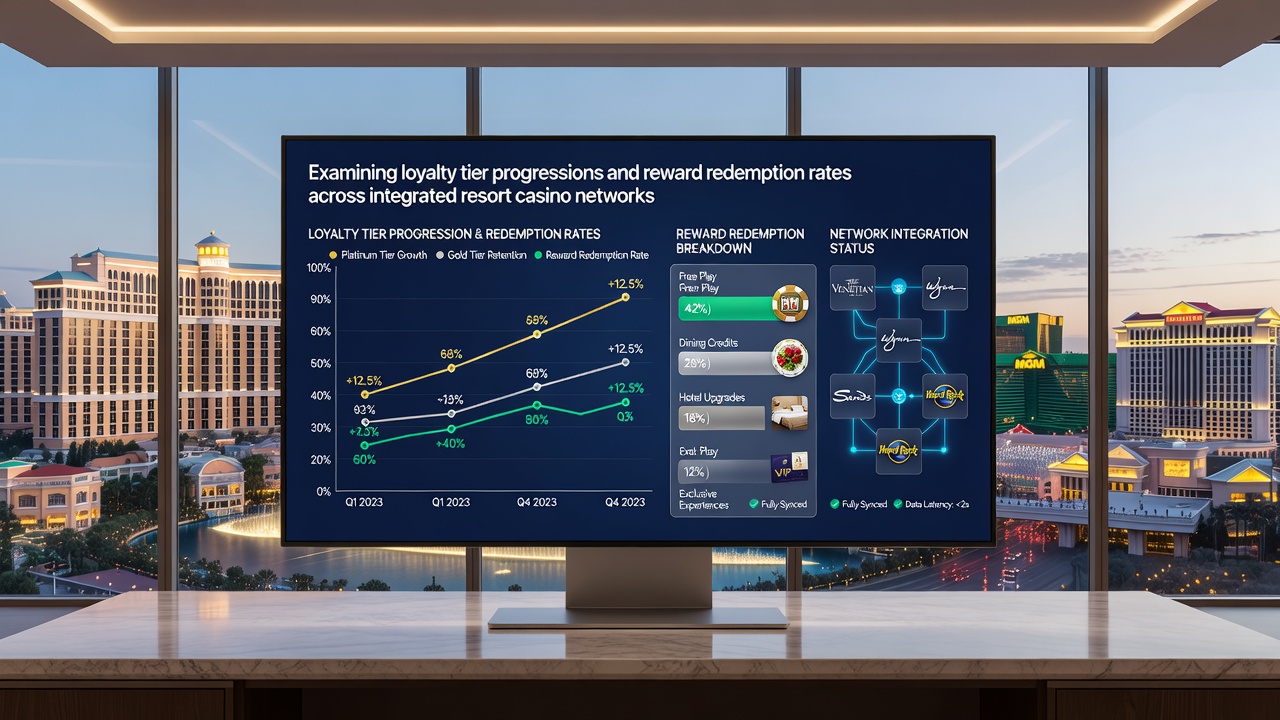
What's interesting is how digital wallets introduced after 2024 have accelerated point usage, allowing members to apply credits instantly at restaurants or toward show tickets without visiting a physical rewards desk. Studies conducted by university research teams in Macau document that members who redeem within 30 days of earning maintain higher visitation frequency than those who let balances accumulate, suggesting the programs succeed when friction between earning and spending stays low.
Regional Comparisons and Data Trends
Macau properties report higher average redemption values per member than Singapore counterparts because table-game play dominates and generates larger point pools, yet Singapore networks achieve steadier month-to-month redemption consistency due to a broader mix of leisure and business travelers. According to statistics released by the Macao Gaming Inspection and Coordination Bureau, total loyalty point redemptions across the territory exceeded 2.1 billion patacas in the first half of 2026, with hotel redemptions accounting for nearly 40 percent of that volume.
One study from the University of Macau tracked 50,000 loyalty accounts over 18 months and found that members who reach mid-tier status within six months show a 22 percent increase in annual visit days compared with those who remain at entry level. Redemption categories also shift with tier: lower members favor immediate-use dining credits while top-tier guests allocate more points toward travel packages that extend their overall relationship with the network.
Operational Adjustments Through 2026
Operators have introduced tier-match promotions and cross-property earning agreements to retain high-value players who travel between Macau and Singapore properties, and these initiatives appear in quarterly filings as contributing factors to stable redemption volumes despite broader economic pressures. Network-wide apps now display real-time progress toward the next tier and projected reward values, which reduces member inquiries at service desks and increases self-service redemptions.
Yet the core economics remain consistent: points function as deferred marketing spend, and operators calibrate earning rates and redemption values to balance guest retention against margin targets. External audits commissioned by several integrated resort groups confirm that programs with transparent tier requirements and flexible redemption windows sustain higher active-member percentages than those with opaque rules or restrictive blackout dates.
Conclusion
Tracking loyalty tier progressions and redemption rates across Asia's integrated resort networks provides measurable insight into guest behavior and program effectiveness through 2026. Available data from regulatory bodies and academic sources shows consistent advancement thresholds, varying redemption preferences by tier, and measurable increases in engagement once members reach mid-level status. These patterns continue to guide operational decisions as networks refine earning structures and digital tools to match evolving player expectations.