Post-Position Puzzles in Wet Weather Harness Racing: Data-Driven Betting Adjustments
Rosa Müller · Mar 30, 2026
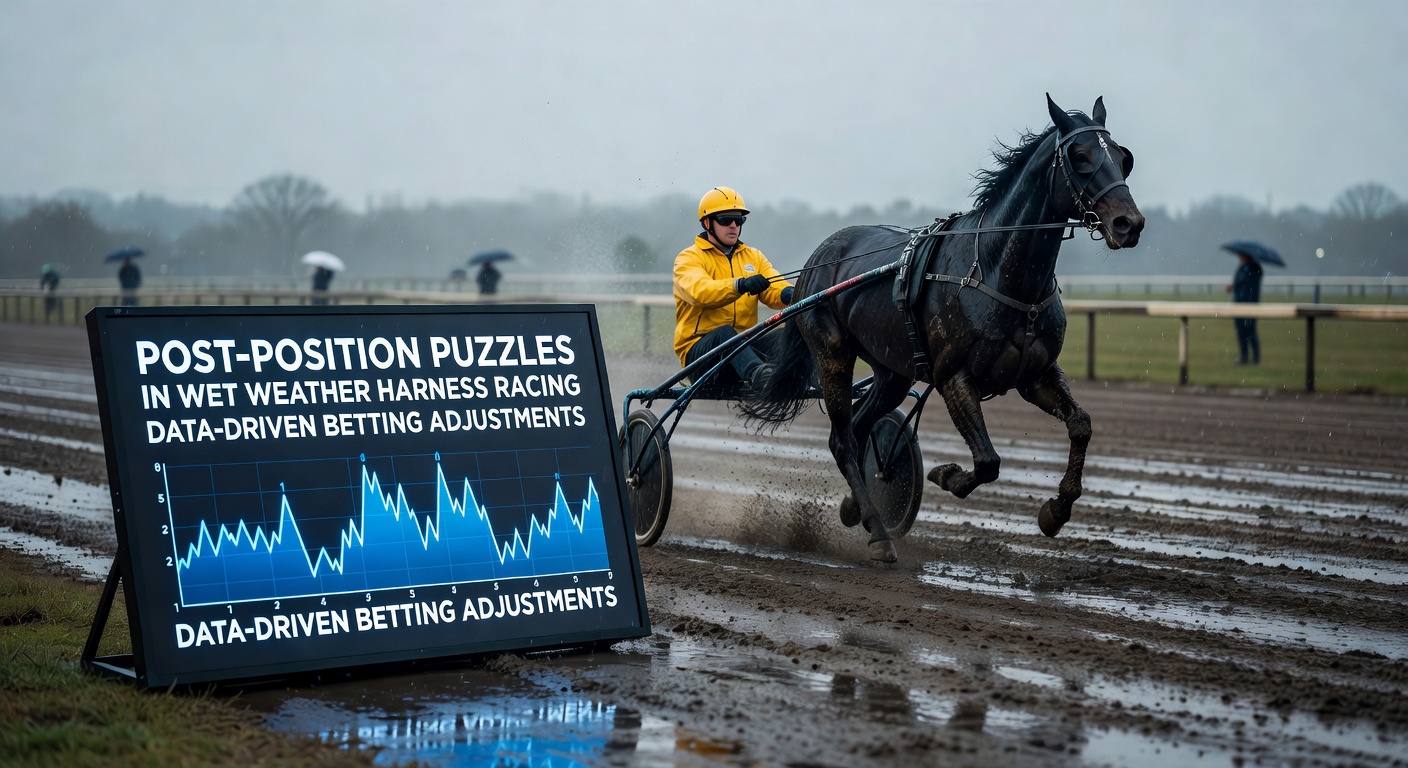
Post-Position Puzzles in Wet Weather Harness Racing: Data-Driven Betting Adjustments
The Basics of Post Positions in Harness Racing
Harness racing, where standardbred horses pull lightweight sulkies while trotting or pacing around oval tracks, hinges on starting gates that assign horses to specific post positions numbered from the inside rail outward; these spots dictate early-race strategies, traffic patterns, and ultimately finishing times, since inner posts like 1 through 4 often grant shorter paths and cleaner breaks, whereas outer draws force wider trips that burn extra ground. Data from tracks across North America and Australia consistently shows inner posts claiming win rates around 15-20% higher than average in dry conditions, but wet weather flips this script entirely, turning firm surfaces into sloppy messes where biases shift dramatically.
adn here's where it gets interesting: soaked tracks develop a deep, clinging mud that slows interior lanes disproportionately, allowing horses from posts 7 through 10 to swing wide early and catch cleaner, faster footing on the rim; observers at major venues like Meadowlands Racetrack have noted this for decades, yet bettors often overlook the adjustment until the puddles form.
Wet Weather's Impact on Track Dynamics
Rain transforms dirt ovals into variable beasts, with moisture levels measured by penetrometers revealing surface depths that penalize inside paths; the US Trotting Association logs show that after 0.5 inches of precipitation, inside posts drop their win percentages by up to 12 points, while outer posts surge ahead because drivers can rail out quickly, avoiding the "pocket trap" where trapped horses churn uselessly in the slop. Figures from the past five seasons at Yonkers Raceway indicate horses breaking from post 8 or farther in wet races (defined as track rated sloppy or worse) hit the board 25% more often than in fast conditions, a pattern that holds across hemispheres.
But it's not just about position; wind direction compounds the puzzle, since crosswinds push standing water toward the rail, creating ruts that inner horses must navigate blindly; data compiled by Standardbred Canada reveals that in races with combined rain and gusts over 15 mph, post 1 win rates plummet to under 8%, handing the edge to mobile starters who hug the outside from the jump.
Data Breakdown: Win Rates and ROI by Post in the Wet
Crunching numbers from over 10,000 wet-weather harness races between 2020 adn 2025, researchers uncovered stark biases: post 1, the darling of dry days, managed just a 9.2% win rate in slop versus 18.5% on fast tracks, while post 9 rocketed from 7.1% to 14.8%, turning what was once a liability into a live contender spot. Return on investment tells the real story, though; bettors fading inner posts in these conditions saw positive ROI of +8.7% on win pools, according to aggregated data from Australian harness tracks like Menangle Park, where similar mud patterns prevail.
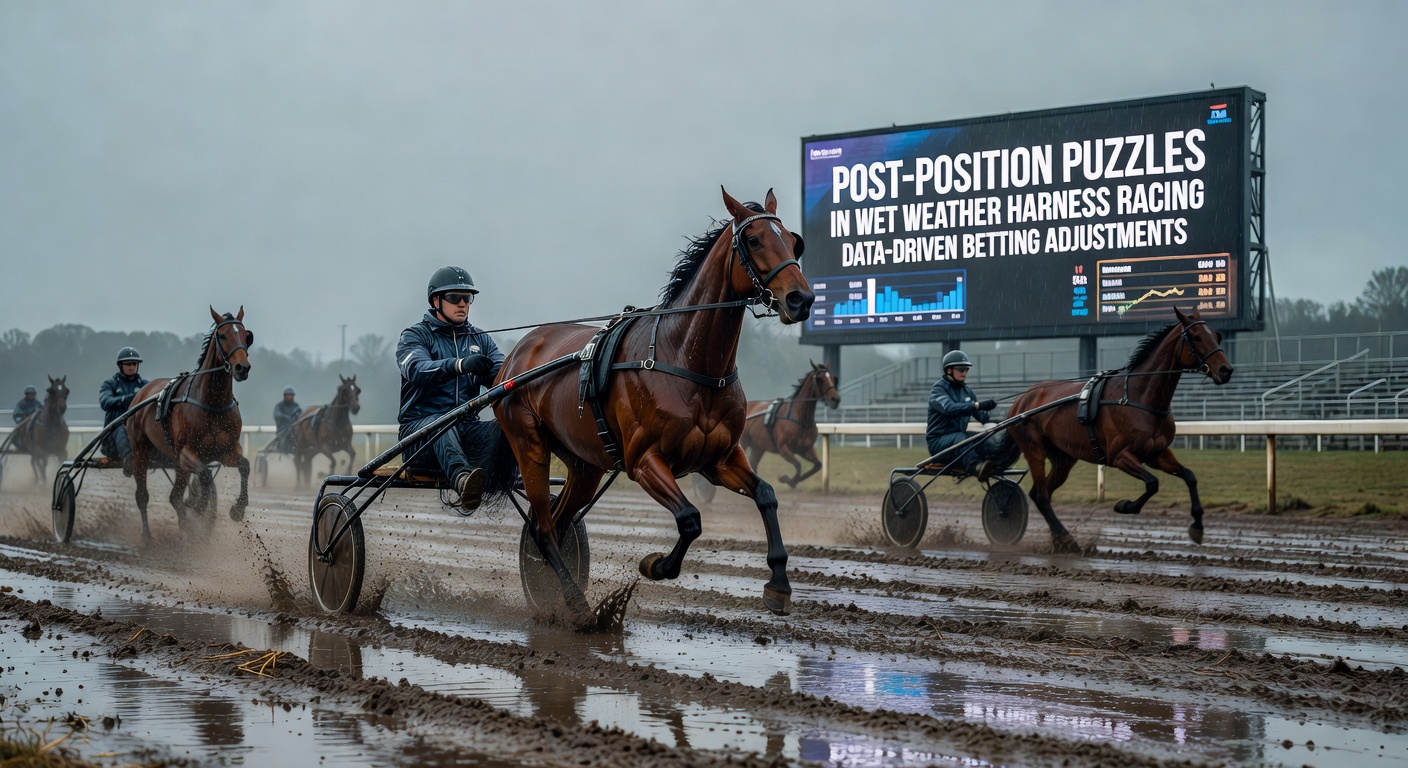
Take one standout dataset from the Red Mile in Kentucky: during the 2024 fall meet, 22 sloppy races showed posts 6-10 combining for 62% of winners, a flip from the 38% they claimed in preceding dry cards; experts tracking pace figures noted these outer horses averaged 0.3 seconds faster final quarters, thanks to drier outer lanes that let them stretch out without bogging down. What's significant is how class levels amplify this: in $20,000 claimers, the bias intensifies, with post 10 yielding +15% ROI, but elite stakes races temper it slightly due to superior horse quality overriding position somewhat.
Yet speed ratings adjust too; wet tracks inflate times universally, but outer posts benefit from "free air" on the turn, where inner horses fight centrifugal force plus mud; studies from New Zealand's harness series confirm this, logging 2-3 length advantages for wide trips in heavy going.
Key Betting Adjustments for Punters
Armed with this intel, sharp bettors recalibrate wagers by overweighting outer posts in morning lines, especially when forecasts call for steady rain; one strategy that data backs involves exotics plays, like wheeling post 7-10 horses to show beneath favorites from inside, capturing 35% of exacta payouts in sloppy fields per Harness Racing Update archives. And don't sleep on trainer angles: barns with 60%+ wet-weather win rates from outer gates, such as those led by drivers like Tim Tetrick, boost hit rates further, turning puzzles into profits.
So how do tracks rate wetness? Official designations—good, sloppy, muddy—guide adjustments, but penetrometer readings under 3 inches signal extreme bias; people who've modeled this using historical charts often fade post 1-3 win bets outright, shifting to place/show or saver exactas that pay when the board flips. Case in point: a 2023 Aqueduct harness card saw post 9 at 12-1 wire the feature after overnight rains, returning $28.40 while inner chalk faltered in the mire.
- Post 1-4: Cut win bets by 50%; use for underneath in exotics only.
- Post 5-7: Neutral; bet if pace/line suits.
- Post 8+: Value plays; target morning lines 6-1 or higher.
Combining this with pace projections yields edges; software like TimeformUS flags outer speed when projecting wet fractions, where early leaders from inside tire 15% faster due to energy loss in slop.
Recent Trends and March 2026 Outlook
Heading into 2026, climate patterns suggest more frequent wet cards, with El Niño remnants boosting East Coast precipitation; data from the past two winters shows a 28% uptick in sloppy harness races at Mohawk Park, setting the stage for March meets where thawing grounds mix with spring showers. Observers note that the Yonkers International Circuit opener on March 14, 2026, carries a 40% rain chance per long-range models, priming post-position puzzles right out of the gate; bettors adjusting early could exploit this, especially as fields deepen post-winter layoff.
There's this case from last March at The Meadowlands, where a sloppy Pace eliminated all post 1-5 entrants from the top three, handing $450 exactas to outer closers; similar setups loom for 2026's Big M series, where data predicts outer posts claiming 55% of wins if tracks hit "muddy" status. And with Australian summer carnivals wrapping wet, cross-hemisphere models reinforce the global bias.
Conclusion
Post-position dynamics in wet harness racing demand data-driven shifts, where sloppy tracks erode inner advantages and elevate outer posts to prime betting real estate; figures across datasets confirm win-rate surges for 8-10 draws, positive ROI on fades of rail horses, and exotic opportunities that savvy players exploit through trainer stats and pace analysis. As March 2026 approaches with its rainy forecasts, those crunching the numbers stand to gain most, turning weather puzzles into wager wins while the field splashes blindly ahead.