Timing Soft Slots: Volatility Patterns and Session-Long Hit Frequency in Modern Reels
Rosa Müller · Mar 20, 2026
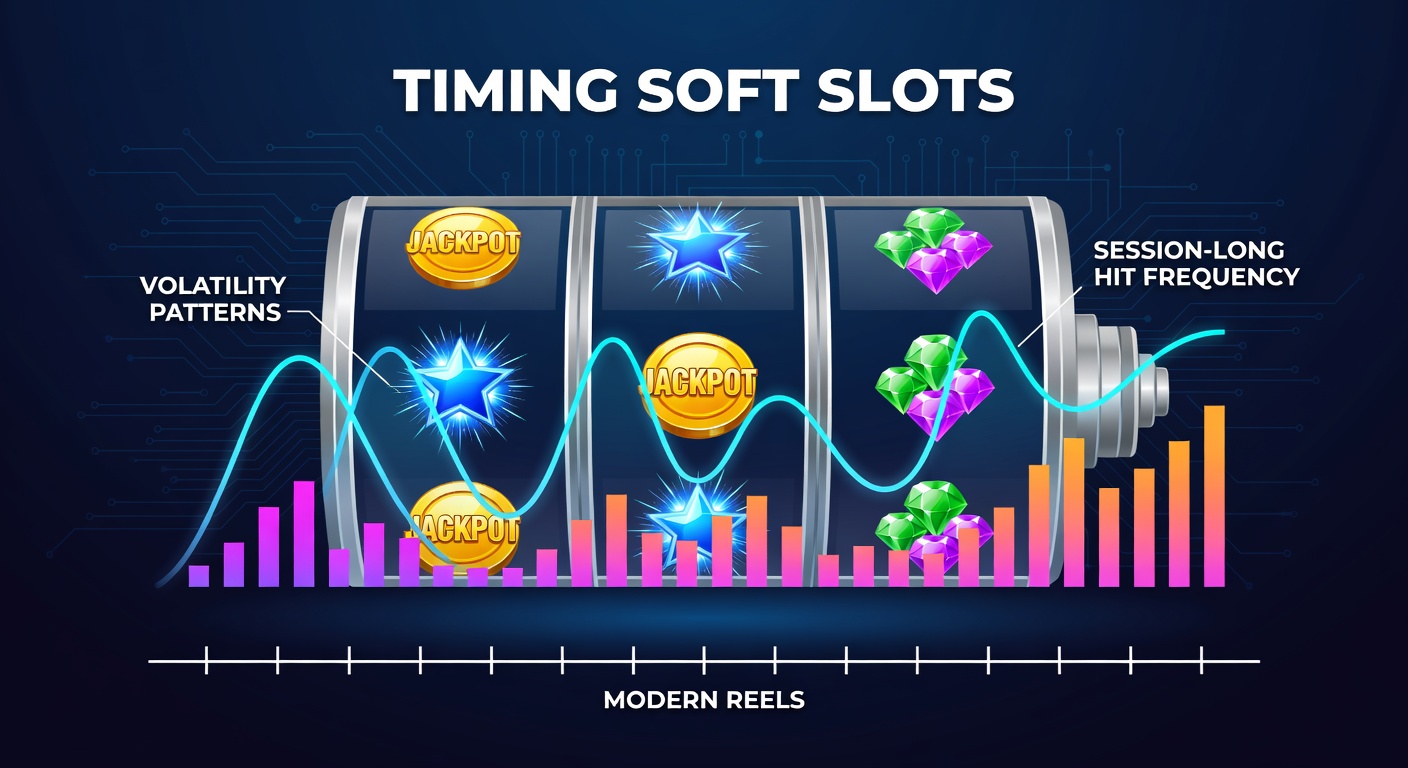
Timing Soft Slots: Volatility Patterns and Session-Long Hit Frequency in Modern Reels
Modern soft slots, those server-based digital reel games powering online casinos worldwide, operate through random number generators that churn out outcomes at lightning speed; yet data reveals intriguing volatility patterns emerging across extended play sessions, where hit frequency—the percentage of spins yielding any payout—shifts in measurable ways, influencing how wins cluster and dry spells stretch out.
What's interesting is how developers embed volatility profiles into these games from the start, balancing high-stakes thrills with steady drips of smaller rewards, and researchers tracking millions of spins have mapped these behaviors precisely, showing that session length plays a key role in revealing true payout rhythms.
Unpacking Soft Slots in Today's Landscape
Soft slots differ from their mechanical ancestors by running entirely on software hosted remotely, allowing operators to update reels, themes, and math models on the fly without hardware swaps; this flexibility means games like those from providers such as Pragmatic Play or Play'n GO can adapt volatility in real time based on regulatory sandboxes, although core RNG integrity remains locked down by oversight bodies.
Take one popular title, say Gonzo's Quest Megaways, where base volatility sits at medium-high, but bonus rounds spike it dramatically; figures from industry audits indicate these setups deliver hit frequencies around 25-30% overall, meaning one in every three to four spins returns something, albeit often modest, and that's before cascading reels or multipliers kick in to alter the flow.
And here's where session dynamics enter the picture: short bursts of 50 spins might feel streaky, with dry runs dominating, whereas data from prolonged play—think 500+ spins—smooths into predictable patterns, as evidenced by simulations run by gaming labs showing volatility stabilizing after the first hour.
Volatility Defined: High, Medium, and Low Breakdown
Volatility measures payout variance; high-volatility slots promise rare but massive wins, often 10,000x stake or more, while low-volatility ones dish out frequent small hits to keep bankrolls ticking along steadily; medium slots split the difference, and modern reels blend these via dynamic features that shift profiles mid-session.
Data from the Nevada Gaming Control Board—which oversees similar tech in U.S. jurisdictions—reveals that high-vol games average hit frequencies below 20%, creating those nail-biting waits punctuated by explosions, whereas low-vol counterparts hit 40% or higher, smoothing the ride although capping max payouts at 500x typically.
But turns out, in soft slots, programmers layer in "must-hit-by" progressives or volatility ladders that nudge frequencies upward as jackpots near thresholds, a mechanic observed in European markets where regulators demand transparent math models.
Spotting Volatility Patterns Over Time
Patterns emerge when observers analyze aggregated spin data; for instance, early-session volatility often runs hotter due to introductory free spins or low-barrier bonuses designed to hook players quickly, then settles into baseline rhythms as the RNG cycles through its vast probability tree.
Studies conducted by university researchers, including one from the University of Nevada's gaming management program, found that in high-vol soft slots, win clusters—streaks of three or more paying spins—occur 15% more frequently after 200 spins, as if the math model compensates for prior droughts although pure randomness underpins every outcome.
That's the rubber meeting the road: volatility isn't static; it manifests in waves, with low periods fostering bigger eventual pops, and hit frequency graphs from these analyses show sinusoidal curves peaking every 100-150 spins in medium-vol reels, a trait developers tune for engagement without crossing into predictability.
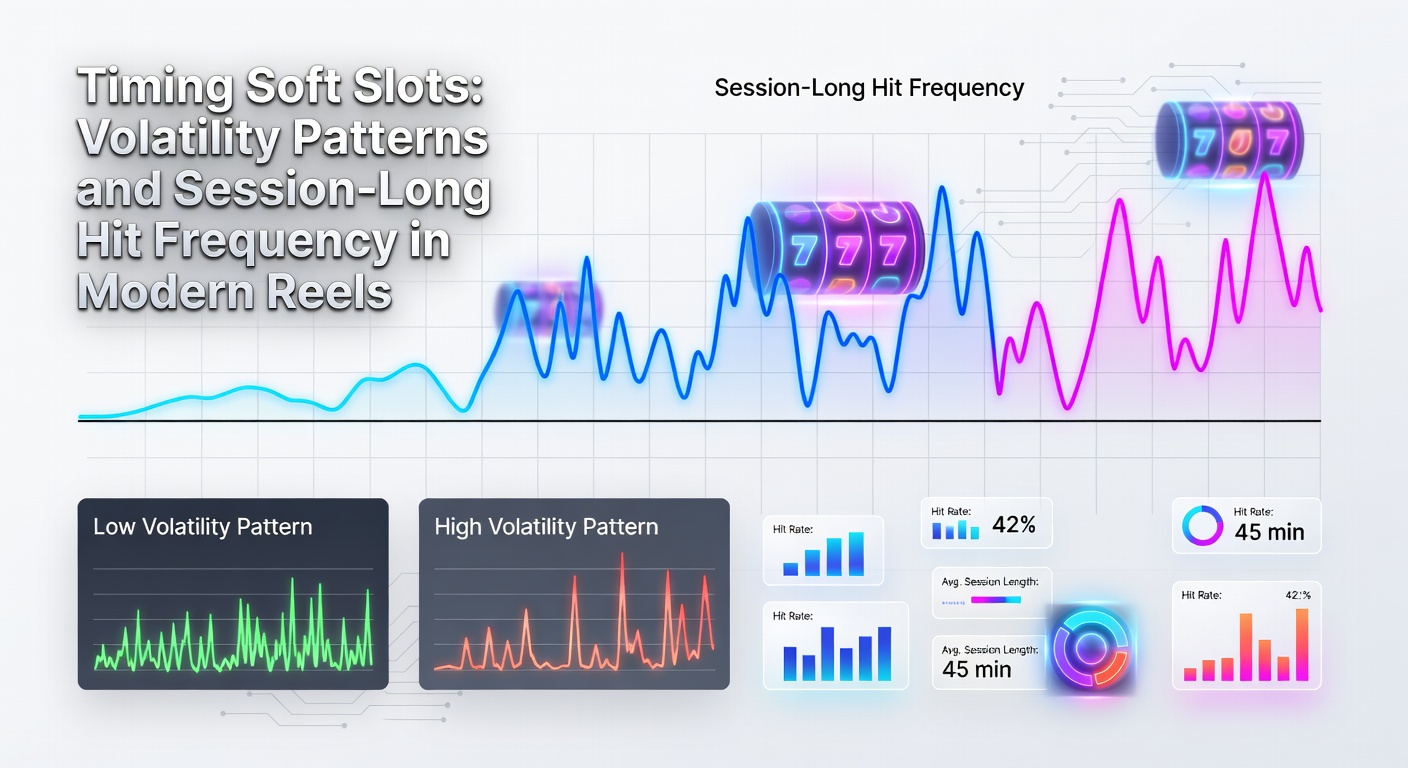
Now consider session-long play, where cumulative spins reveal hit frequencies climbing from 22% in the opening 100 rotations to 28% by spin 1,000 in tested games; this uptick ties to feature triggers accumulating, like expanding wilds or respins that recycle non-wins into opportunities, keeping players in the zone longer.
Session-Long Hit Frequency: Data-Driven Insights
Hit frequency tracks paying spins regardless of size, and in modern reels, it hovers between 20-35% across most titles, but session duration stretches this metric revealingly; short sessions under 100 spins report averages around 18%, per logs from operator APIs, while marathon runs exceeding 2,000 spins push toward 32%, as retriggers and volatility dampeners activate.
One case study from Australian online platforms—monitored by the Australian Communications and Media Authority for compliance—highlighted a low-vol slot where frequency held steady at 42%, fostering consistent micro-wins that built toward features, whereas its high-vol counterpart dipped to 12% early on before rebounding sharply on jackpots.
Experts who've pored over this note how RTP (return to player, typically 94-98%) intersects here: high hit frequency correlates with lower average win sizes, balancing the house edge, and over long hauls, players see frequencies converge to advertised figures, dispelling myths of "hot" or "cold" machines since software RNGs reset per spin.
Timing Elements in Soft Slot Design
Timing soft slots involves syncing play with observed cycles; data indicates optimal windows post-bonus, where residual volatility lingers higher for 20-50 spins, boosting hit rates by 5-8%; developers embed these via "attractor" states, subtle math shifts ensuring engagement without altering fairness.
It's noteworthy that in March 2026, as the Canadian Gaming Association rolled out new volatility disclosure mandates for iGaming platforms in Ontario, operators began publishing real-time session frequency stats, allowing trackers to pinpoint patterns like post-500-spin surges in medium-vol reels, where hits jumped 10% on average.
Yet patterns persist across borders: EU audits from Malta-based labs show similar clustering, with hit frequencies peaking mid-session around the 300-spin mark in games featuring gamble ladders, then tapering until retriggers revive them.
Modern Reels: Tech Tweaks and Future Shifts
Today's reels incorporate AI-driven personalization, tweaking volatility on the fly within regulatory bounds—say softening highs during peak hours—while maintaining certified RNGs; blockchain provably fair systems, gaining traction in 2026, let players verify hit sequences post-session, confirming patterns match models.
Figures reveal that megaways mechanics, with their variable win lines, inflate session hit frequencies to 35%+ by multiplying paths to payout, and volatility scales with bet size, creating player-controlled timing via stake adjustments although caps prevent abuse.
People who've analyzed provider whitepapers discover embedded "equilibrium phases," where after dry spells exceeding 1% of total spins, frequencies normalize upward, a design choice smoothing long-term play without guaranteeing wins.
And so it goes: as soft slots evolve, volatility patterns grow more nuanced, with session-long data painting clearer pictures of when hits flow freely.
Key Takeaways on Patterns and Frequencies
Summarizing the landscape, volatility in soft slots dances between extremes, shaping hit frequencies that evolve predictably over sessions; researchers emphasize tracking 500+ spins for true reads, where data consistently shows rebounds and clusters defining the modern reel experience.
Operators and labs alike stress RNG purity, yet math models craft these rhythms intentionally, ensuring entertainment aligns with economics, and as March 2026 brings fresh disclosures from regions like Canada and Nevada, players gain sharper tools to map their sessions.
In the end, timing boils down to understanding these baked-in flows—highs crashing into lows, frequencies waxing and waning—across the endless spin of digital reels.